Friday, July 22, 2022

Drug Use in Teens | Normal or Cause for Concern? | Latest Research

Drug Use in Teens | Normal or Cause for Concern? | Latest Research

Introduction to Teen Drug Use

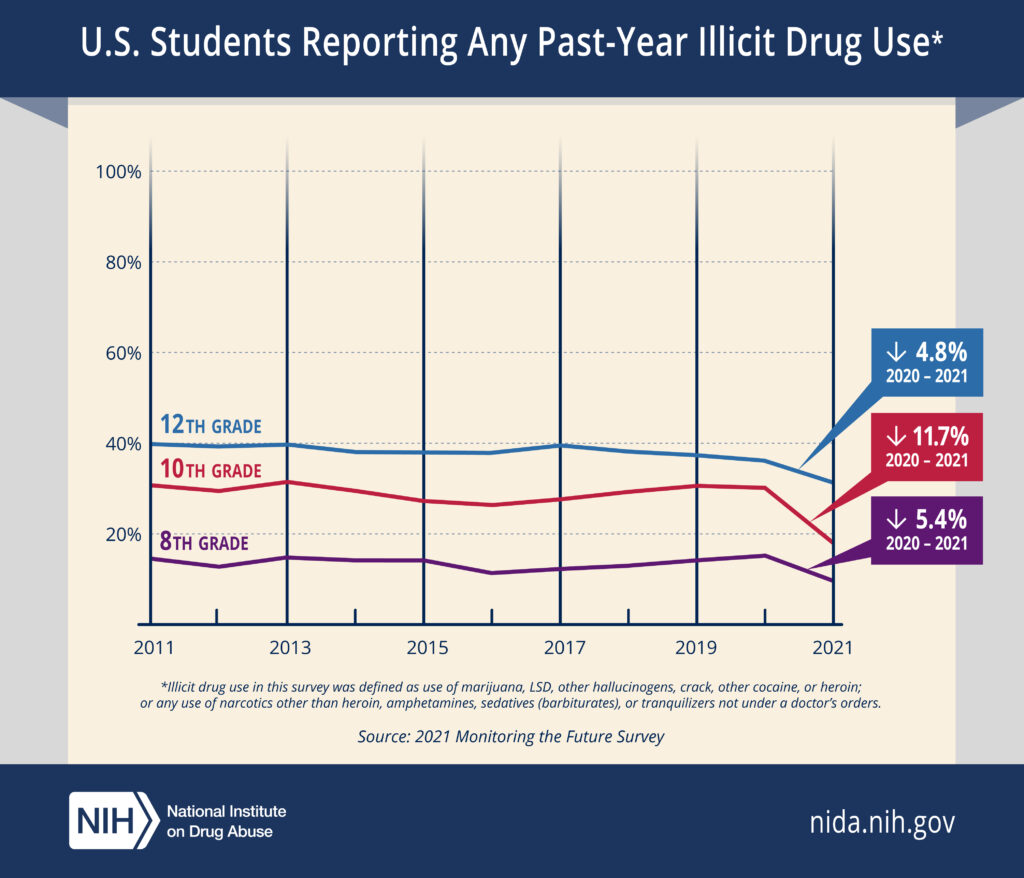
Teens go through a lot of change, both physically and mentally, as they begin their transition to early adulthood. As they begin to socialize less with family and more with peers, they are faced with many important decisions, including whether or not to use drugs and alcohol. And while the percentage of teens using drugs decreased significantly from 2020 to 2021, teen drug use is still very common. And, as the effects of the COVID-19 pandemic recede, it is likely that adolescent experimentation with drugs will continue to climb. While using alcohol, marijuana, and nicotine may seem like “normal” parts of the teen experience, new research shows that there are more long-term risks than previously believed.

Most Commonly Used Drugs by Teens

The Monitoring the Future Survey showed the following were the most commonly used drugs by teens in 2021. The following percentages represent how many of the individuals surveyed reported using the drug in the past year.

  1. Alcohol
    • 58.2 % of 12th graders
    • 41.9% of 10th graders
    • 21.0% of 8th graders
  2. Marijuana
    • 30.5% of 12th graders
    • 17.3% of 10th graders
    • 7.1% of 8th graders
  3. Nicotine
    • 26.6% of 12th graders
    • 19.5% of 10th graders
    • 12.1% of 8th graders
  4. Illicit drugs other than marijuana
    • 7.2% of 12th graders
    • 5.1% of 10th graders
    • 4.6% of 8th graders
NIDA adolescent drug use statistics graph

Risks of Teen Drug Use

Teens Who Misuse Drugs Don’t “Outgrow It”

Until recently, it was widely accepted that most teens who use drugs would eventually outgrow their substance abuse issues. However, new research indicates that teens who use drugs may not just be “going through a phase” and it may not just be harmless experimentation. Rather, symptoms of substance use disorders in adolescence are likely to continue into adulthood.

The University of Michigan study, published in the April edition of the Journal of the American Medical Association, found that more than 60% of teens who report heavy use of alcohol, marijuana, and/or other drugs continue to have a drug problem as adults, often involving misuse of prescription medications. And, it’s not just the heavy users whose adolescent behavior influences their adult life. More than half of the teens who reported mild substance use disorder symptoms experienced mold to severe drug abuse concerns in adulthood.

Sean Esteban McCabe, lead author of the study and director of the Center for the Study of Drugs, Alcohol, Smoking and Health, states, “There has been some work suggesting most people age out of substance-related problems, but these studies have not adequately accounted for the severity of the substance-related problems.”

Related Reading: Teen Alcohol Abuse: How Worried Should Parents Be?

signs that teen alcohol use may lead to alcoholism in adulthood

The Effects of Drugs on the Developing Brain

Atypical development of the brain and the onset of mental health issues could result from the use of a drug by teens. Mental health problems may include depression and anxiety, developmental delays, mental disorders, and suicide ideas. Studies have shown that smoking marijuana could be harmful to the short-term memory of a teenager’s ability to learn, as well as psychomotor abilities.

The Effects of Drug Use on The Body

Teens who abuse drugs significantly increase the risk of dying from accidents, illness suicide, or homicide. Teens who abuse drugs can result in risky behavior such as driving while under the influence or engaging in dangerous sexual activities.

The Impact on Social Life

Teen drug abuse can be detrimental to social acceptance as well as interaction with friends. It is not uncommon for substance abusers youngsters to quit activities, clubs, and sports events at schools. The lack of engagement could cause social disengagement and being viewed as a victim by friends.

Impacts on Academics

Low grades, low attendance, and a higher risk of dropping out prior to the time of graduation are all correlated with teenage substance abuse. The physical and mental negative effects of a teenage addiction to drugs could hinder academic success.

What Causes Teens to Use Drugs?

Based on the National Institute on Drug Abuse These are the five reasons that adolescents and teenagers are at risk of using alcohol and drugs:

  • To be accepted (peer pressure or social acceptance)
  • To feel happy (activate reward pathways within the brain)
  • To Feel better (stress mental health, physical pain)
  • To be better (enhance academic or athletic performance)
  • To experiment (thrill-seeking, new experiences)

Depression

Major depressive disorder (MDD) is a well-known mental health condition that affects teenagers and young adults. The link between teens’ use of drugs and depression may create an endless cycle with serious implications for school performance and social interaction and the rest of a teen’s life. Teen substance abuse typically occurs in conjunction with mental health conditions like anxiety, mood behavior, as well as learning disorders.

Teens seeking treatment for substance abuse should be provided with a complete evaluation of their health (including their mental state). Research has proven that both mental health issues need to be addressed in conjunction in order for the treatment process to be successful. 4

Accessibility

A teenager’s environment is a major factor in their likelihood of committing addiction. Teens with easy access to alcohol and drugs are at a higher risk of becoming addicted. Access to alcohol and drugs poses the greatest threat to teens’ substance abuse. Educating for parents and teenagers is essential. Communication between teens and parents as well as safe medication storage and disposal can help save the lives of children.

Abuse of Prescription Drugs

Studies have revealed that one in four teens believe that prescription medications are suitable for study aids. Three out of three parents believe that ADHD medication can help improve the academic performance of their child even if their child is not diagnosed with any diagnose of ADHD. It’s not recommended for teens to use medications if they don’t have the prescription.

Help for Substance Abuse

All In Solutions Counseling Center is a trusted leader in addiction treatment with rehabs in Florida and New Jersey. If you or a loved one are struggling with substance abuse or mental health, feel free to reach out to our friendly admissions staff to ask questions, get support, or learn more about getting treatment.

Drug Use in Teens | Normal or Cause for Concern? | Latest Research-All In Solutions-All In Solutions - A Solutions Based Behavioral Healthcare Group


from All In Solutions https://ift.tt/GHlupVT
via IFTTT

Thursday, July 14, 2022

Teen Alcohol Abuse: How Worried Should Parents Be?

Teen Alcohol Abuse: How Worried Should Parents Be?

Parents of teens know how challenging it is to protect their children from danger while allowing them to maintain a healthy sense of autonomy. This balance between allowing them to make (and hopefully learn from) their own mistakes and guiding them toward a successful future often leaves parents questioning their decisions. One of the most common of these questions: how worried should I be about my teen drinking? Fortunately, there is some new research that explores the relationship between teen alcohol abuse and alcohol use disorders later in life. 

Underage Drinking Statistics  

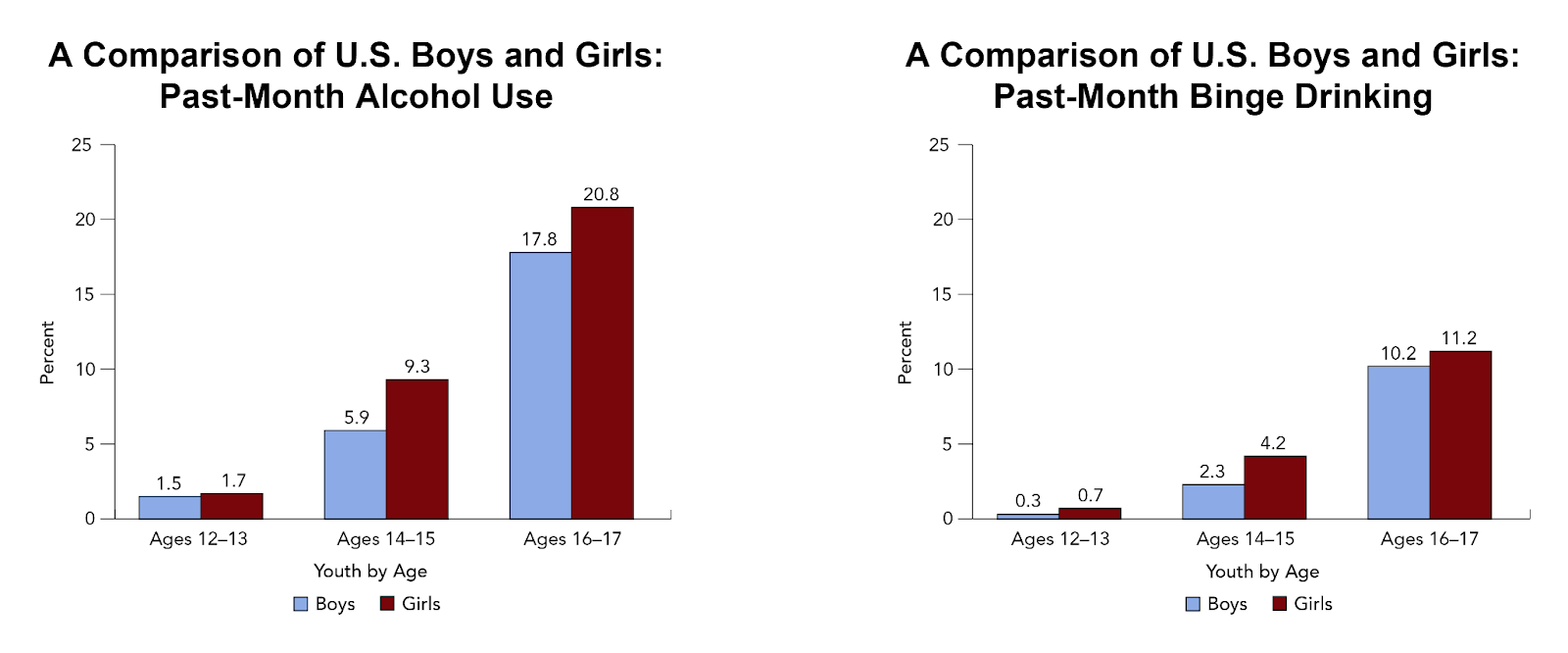
To accurately assess how troublesome a teenager’s alcohol use is, it is important to put the potential problem in context. According to the 2019 National Survey on Drug Use and Health, nearly 40% of those between 12 and 20 years of age report drinking at least once, and almost 20% reported drinking within the past month.

And, according to the National Institute on Alcohol Abuse and Alcoholism, when young people drink they tend to binge drink. In fact, 90% of all drinks consumed by people between the ages of 12 and 20 are consumed through binge drinking (drinking large amounts of alcohol in a single sitting). 

While there are certainly many dangers associated with underage drinking, including alcohol poisoning, motor vehicle accidents, assaults (and sexual assaults), an impact on brain development, and more, the statistics do show that alcohol use among teens is not uncommon. High school students and young adults drink for a number of reasons, some of which may involve peer pressure. But as it relates to problems with addiction and alcoholism, how do parents know if they should be worried?

CMU Study: Drinking Alone Foreshadows AUD in Adolescents and Young Adults

According to a Carnegie Mellon study that investigated the correlation between drinking patterns in adolescence and young adulthood and alcohol use disorder (alcoholism) later in life, drinking alone is a strong indicator of future problems. Kasey Cresswell, lead author of the study says, “Most young people who drink do it with others in social settings, but a substantial minority of young people are drinking alone. Solitary drinking is a unique and robust risk factor for future alcohol use disorder. Even after we account for well-known risk factors, like binge drinking, frequency of alcohol use, socioeconomic status and gender, we see a strong signal that drinking alone as a young person predicts drinking problems in adulthood.” 

So, just how bad is drinking alone? The study found that those who reported drinking alone at age 18 were 35% more likely to show symptoms of alcohol use disorder (AUD) at age 35 compared to social-only drinkers. The effect was even stronger in young adults. Those who reported drinking alone between ages 23-24 were 60% more likely to have a problem with alcohol at age 35 than their counterparts who drank only in social settings.

The study also found that adolescent females who drank alone appeared to be at particular risk for developing future alcohol problems in adulthood.

Florida Alcohol Treatment Experts Respond

When asked about the results of the study, Albert Zingariello, LCSW, and clinical director at All In Solutions Counseling Center stated, “These results support what we have seen for years in treating adults with addictions. It is often the behavior that surrounds the use of drugs and alcohol that is the greatest indication of a potential problem. When young people are using drugs or alcohol in isolation, it should be a big warning sign that the role intoxicants play in their lives is unhealthy and unlikely to resolve without intervention.” 

There are of course many other factors that contribute to problems with alcohol in adulthood, including the age at which a person starts drinking and the presence of family members with drinking problems. Studies have shown that those who start drinking at an especially young age are more prone to addiction. And of course, genetics and family environment play a role.

But, for parents concerned about their teens drinking alcohol, the important thing to know is that if they are drinking alone, it may be time to step in. Other studies by Cresswell show that drinking in isolation is a sign that an individual is using alcohol as a way to cope with negative emotions. This kind of behavior, abusing alcohol as a coping mechanism, has consistently been linked to the development of alcoholism.

If you have questions about teen alcohol abuse or would like to seek help for yourself or a loved one don’t hesitate to reach out to All In Solutions Counseling Center. Experienced treatment center staff are available 24/7 to assist you and your family.

Teen Alcohol Abuse: How Worried Should Parents Be?-All In Solutions-All In Solutions - A Solutions Based Behavioral Healthcare Group


from All In Solutions https://ift.tt/h4q8EYJ
via IFTTT

Monday, June 20, 2022

Can Vaping Cause Seizures?

Can Vaping Cause Seizures?

Vaping is the practice of using e-cigarettes or vape pens. Vape pens can be described as electronic devices that heat liquids to produce vapor for users to inhale. Vape pens can use cartridges that contain nicotine, tobacco, and sometimes marijuana. More reports are being made about vaping and seizures as the trend becomes more mainstream. Our Massachusetts treatment center is currently investigating whether vaping can cause seizures.

Can Vape Pens Cause Seizures?

The brain’s sudden and abnormal electrical activity can cause seizures. Although many people associate seizures with convulsions that cause shaking of the entire body, seizures can also be caused by abnormal electrical activity in the brain.

Another sign of seizures is a loss of awareness or consciousness, as if the brain has temporarily shut down. These moments can make it seem like the person is staring into space or suddenly stopping moving.

Seizures can cause people to fall. Most seizures resolve within minutes or seconds. After that, the person might feel confused or sleepy.

A person might also forget what they were doing prior to the seizure. Although they are not likely to cause permanent harm, severe convulsions or bodily shakes may lead to injury that will require medical attention.

The FDA found 127 cases of seizures and other neurological symptoms in 2019, mainly due to vaping devices and e-cigarettes. These seizures were most common in teenagers and young adults. 1

These vaping seizures can occur within a matter of minutes or one day following use, according to the FDA. Seizures also occurred in long-term and first-time users. 1

People have had seizures following vaping. This could also be due to marijuana use or stimulants (amphetamines). This link was further investigated by the agency, as well as whether vape pens or cartridges make a difference.

The FDA found that vape pens can cause seizures if users inhale high levels of nicotine or are exposed to it. The FDA noticed a slight increase in seizures reported to them in 2018, but it was not significant.

They found that there were 35 cases of seizures related to e-cigarettes in the records of poison control centers between 2010 and 2019. The reports covered first-time, long-term, and repeat users of e-cigarettes.

Vaping is linked to seizures and lung disease. Long-term vaping can lead to nicotine dependence, depending on how severe the habit is.

Seizures, Nicotine Overdose

So why does nicotine cause seizures? Nicotine has a structural similarity to the neurotransmitter Acetylcholine. It acts by activating the nicotinic Cholinergic Receptors (nAChRs).

Nicotine binds to the nAChRs and opens the ion channel, allowing calcium or sodium to enter the receptor. Other neurotransmitters are also released by nicotine, such as dopamine and norepinephrine.

These chemicals have the following functions: pleasure, arousal and stimulation; reward, motivation; mood stabilization; and reduction in anxiety. Similar to stimulants, nicotinic actions can also cause increased metabolism and suppression of appetite.

Neuroadaptation is a process in which the brain develops tolerance to nicotine over time. This can be caused by long-term nicotine use. Withdrawal symptoms can occur when regular nicotine use is stopped. These withdrawal symptoms include a sudden decrease in neurotransmitters.

There is an increased risk of nicotine tolerance and seizures in people who overdose. Seizures have also been reported in children and adults who accidentally ingested nicotine-containing vape pen and e-cigarette cartridges. Although children are more likely to overdose on nicotine, it can also happen in adults.

You may experience rapid heart beat, confusion, seizures, respiratory depression, or even death from nicotine overdose. These symptoms may occur in as little as 15 minutes after nicotine consumption.

Although there are reports that nicotine vaping can cause seizures, further research is needed to verify this. The habit has been linked to lung disease, oral problems, and many other health issues.

Consider Vaping as a gateway drug

Vaping, in addition to the danger of seizures, is also considered a gateway drug. Vaping can open the door to other forms and abuse. It not only exposes the body to brain-altering chemicals such as nicotine, but it also places vapers in situations that encourage substance abuse.

Our Massachusetts inpatient drug rehabilitation can help if you or someone you love has fallen for addiction to drugs or alcohol. To help clients get through withdrawal safely and to prevent them from ending treatment too soon, we offer medically supervised detox.

We offer treatment for substance-specific addictions, including heroin, cocaine and meth. Our specialists can help you or your loved ones achieve long-term sobriety.

Call All In Solutions Treatment Centers at 855-762-39796 for more information on our Massachusetts drug rehab programs.

Source:

  1. FDA – E-cigarette users are experiencing seizures, most reports involve young adults and youth.

Similar Reading:

The Legal Vaping Age

There is a difference between marijuana and tobacco

The post Can Vaping Cause Seizures? All In Solutions Treatment Centers was the first to publish this article.

Learn More:

Our locations include:

Can Vaping Cause Seizures?-All In Solutions-All In Solutions - A Solutions Based Behavioral Healthcare Group


from All In Solutions https://ift.tt/532JpQ9
via IFTTT

Sunday, June 19, 2022

How to Help Someone Quit Vaping

How to Help Someone Quit Vaping

Vaping is a popular way to smoke marijuana and tobacco. Vaping, also known as electronic cigarettes, is a device that heats liquids to produce vapor. The small containers that hold these liquids in vape cartridges can contain nicotine and other unhealthy ingredients. The addictive and cancer-causing component in tobacco products is nicotine. Although vape cartridges contain less nicotine than normal cigarettes, there are still health risks. Here are some ways you can help someone quit smoking.

The dangers of vaping

Although vaping products typically contain one-third to half the nicotine of cigarettes, there are still health risks. One 5% strength JUULpod can replace an entire pack cigarettes in nicotine strength. So what do these mean about potential dangers?

Although they are not always listed on the labels, nicotine, which is a stimulant, can be found in many vape pens and e-cigarettes. Nicotine can affect the formation of brain connections.

These connections or communications can cause learning, mood, attention, impulse control, and other problems. The risk of addiction to nicotine, long-term smoking, and other drug use can all be increased, particularly among teenagers.

Many vape cartridges contain heavy metals and chemicals that can cause cancer, such as nickel, tin and lead. Common flavors like diacetyl can cause lung disease. Ultra-fine particles from other components can also be inhaled into your lungs, irritating them and causing more serious conditions.

Vaping can also cause headaches, dry throat and shortness of breath. These risks are not serious, but many vapers need help to quit smoking due to nicotine dependence.

Good news: Recovery is possible.

How can you help someone stop vaping?

It can be difficult to quit smoking, especially if someone feels they must vape in order to fit in or feel normal. It can be hard to explain to people why they need to stop vaping, especially since it has become so popular.

There are many ways you can support someone who vapes often and has experienced side effects or quits. Here are some suggestions to help someone quit smoking.

Ask them why they vape

People often fall for the wrong people or engage in harmful behaviors like substance abuse. It is often the “why” they do it. Asking the person why they started vaping can help you to see the negative aspects of their lives that they are trying to avoid or hide.

To find a lasting solution, it is important to address heartache, stress, peer pressure, mental illness, as well as other factors that can contribute to unhealthy behaviors. Asking should be your first step.

Ask them how they think quitting would benefit them.

Ask them to envision a life without vaping. They might be able walk farther without feeling tired, or have whiter teeth.

It’s a great way to find out why someone is reluctant to stop vaping, especially if there have been negative side effects. They might feel more motivated to quit if you point out the many benefits.

Be a good listener

Even though you might not agree with vaping it does not mean the reasons are invalid. Many people mistakenly believe that vaping is a better way to cope with stress than other drugs.

Perhaps the person vapes because they feel like they need to be liked by their peers. Perhaps vaping helps them relax after a stressful day at school or work.

Don’t judge them for what they do, but lend your ears. It is a personal decision to seek help in quitting vaping. This can require a lot more soul-searching, self awareness, and self discipline. Be patient.

Skip the Lecture

It will not make someone quit vaping. It might, however, cause some pride or hurt and push them into vaping.

It’s important to remember that vaping users aren’t allowed to ask about their past use of tobacco or complain that they feel irritable during withdrawal. It is possible for nicotine to alter brain chemistry so quitting can be difficult emotionally and physically. Any judgment, scolding or nagging can only make it worse.

Do not be distracted

You can come up with other ways to spend time together that don’t involve smoking or vaping. You might suggest going on a walk, watching a movie, starting a hobby, or attending a game night.

Encourage them to withdraw

As your loved one experiences withdrawal, be patient and positive. Keep your head up. If they are irritable or snappy, don’t take it personal.

You can say, “I know it’s hard for you, but I’m proud that you have stuck with it!” This will remind them that you are there for them.

Do not use tobacco products or vape around them

This may sound like common sense but there are many people who don’t practice what they preach. Even when they’re trying to quit vaping, there are still many others. Do not be like this.

You should quit vaping if you are a smoker. You can support one another through difficult times so that you can both quit.

The person will decide what helps them quit vaping. Encourage them to seek safe and healthy ways of coping with their cravings. Other ways you can support your partner include calling them frequently to check in on them, or taking them along to parties or other locations where they might be tempted to vape.

Do you need help with substance abuse?

Vaping is a gateway drug, just like marijuana. Gateway drugs can open up the doors to other dangerous and more addictive substances, such as prescription drugs, opioids and stimulants, or depressants.

Our Massachusetts treatment center is here to help if you or someone you love has become addicted to harder drugs. All In Solutions provides residential and medically-assisted detox to assist clients in recovering from their addiction.

Family services are also offered to clients and their loved ones in order to help them recover from the effects of substance abuse. Sessions with clients and their families help to bridge the gap and create strong support networks.

Our Massachusetts inpatient drug rehabilitation is available to anyone, no matter their level of addiction. All In Solutions Treatment Centers can be reached at 855-762-39796 for more information about our residential mental healthcare and treatment options for substance abuse.


Similar Reading:

Spice Addiction: Is it Possible?

Different types of synthetic cannabinoids

All In Solutions Treatment Centers has the first article, How to Help Someone Quit Vaping.

Learn More:

Our locations include:

Did you miss our previous article…
https://www.allinsolutions.com/how-does-ecstasy-affect-you-socially/

How to Help Someone Quit Vaping-All In Solutions-All In Solutions - A Solutions Based Behavioral Healthcare Group


from All In Solutions https://ift.tt/59MJkev
via IFTTT

Saturday, June 18, 2022

How Does Ecstasy Affect You Socially?

How Does Ecstasy Affect You Socially?

3,4-methylenedioxymethamphetamine, or MDMA and ecstasy for short, is a recreational drug that’s often used in social and party settings. It can increase the activity of at most three neurotransmitters, serotonin (dopamine), and norepinephrine. Ecstasy, like other stimulants, increases the neurotransmitter release and blocks their reuptake. This allows them to flood the brain. These effects can include an increase in energy, mood, empathy, and compassion for others. This last effect begs the question: How does ecstasy affect your social life?

MDMA Social Effects

Many people report Ecstasy’s social effects. This includes the alleged feeling of empathy and closeness that is attributed to the drug. This is why MDMA is often used recreationally, as well as in social settings such music festivals, clubs, and parties.

Animal studies have shown that ecstasy can have a social effect on animals. Although the details are not clear, it is believed that ecstasy can affect your social life by increasing your mood.

Researchers compared MDMA’s effects to methamphetamine’s effects and found that MDMA produced a positive response in healthy young adults to affective touch (low-force mechanical stimulation) and increased visual attention to emotions faces. Study results showed that MDMA selectively increased ratings of the pleasantness and affective touch of MDMA as well as greater attention to happy faces.

Ecstasy’s Long-Term Social Effects

Although this may sound appealing, what long-term social effects will ecstasy have on you? MDMA can alter your mood by manipulating brain levels of mood-linked chemicals such as dopamine or serotonin. Long-term use can cause brain damage.

This is a common problem for users of similar drugs like methamphetamine. As the brain gets used to being stimulated, it becomes lazy and forgets how to balance and release these chemicals.

MDMA long-term abuse can lead to addiction and can negatively affect the user’s mental well-being. This can impact their ability to socialize with others and their ability to make connections.

There are also issues with the ingredients. The illegal drug Ecstasy, which is made without a license, is not subject to any regulations. Drug dealers may mix Ecstasy with other substances to increase the drug’s risk.

The gateway to other, more dangerous drugs can be opened by drug use. Dependence on MDMA for socialization is a dangerous habit that can lead you to an addictive lifestyle.

Can MDMA cure social anxiety?

Many people have suggested MDMA as a treatment for social anxiety. However, it is not an easy concept. Contrary to popular belief MDMA does not cure social anxiety.

Although the drug may increase empathy and socialization, the side effects are temporary and do nothing to change the person’s actual symptoms. Although one might experience some emotional highs from taking the drug, this does not mean that there will be any real improvement in their symptoms.

Anxiety disorders aren’t just emotional. These disorders are also caused by chemical imbalances and brain structure. MDMA has not been shown to regulate these factors. Because ecstasy stimulates various chemicals including serotonin activity, it is more likely that problems such as serotonin syndrome will occur than any relief of social anxiety for long-term users.

Do you need help with MDMA abuse?

MDMA has been touted as a panacea for social anxiety. However, there is no evidence to support this claim. MDMA, like all other drugs, has many disadvantages. Any MDMA use would be done in a medical setting, not a recreational one.

Addiction is one of the many risks associated with long-term ecstasy use. Although ecstasy is not addictive like opioids and cocaine, it can be used to relieve stress and socialize.

Users may develop a dependence on the drug over time to simply have fun. This is dangerous for many reasons. Some users may even consider using stronger drugs like methamphetamine or cocaine to increase their enjoyment.

Drug use can quickly spiral out of control. It’s crucial to seek help immediately if you notice any signs of drug abuse in your loved one. Our Pennsylvania drug rehab can help if you or someone you love is suffering from ecstasy addiction.

Our facility provides ecstasy addiction therapy that includes a variety of services to address clients’ psychological and physical needs. We offer everything from medically monitored detox to fight withdrawals to family therapy for broken relationships.

Call All In Solutions Treatment Centers at 855-762-33796 today to learn more about our Pennsylvania addiction treatment.

Source:

  1. National Library of Medicine – Effects of MDMA upon attention to positive social cues, pleasantness of affective touch and attention to positive social cues

Similar Reading:

MDMA & Breastfeeding: Risks

MDMA vs. LSD

How does Ecstasy affect you socially? All In Solutions Treatment Centers first published this article.

Learn More:

Our locations include:

Did you miss our previous article…
https://www.allinsolutions.com/caffeine-and-weed-what-happens-when-theyre-mixed/

How Does Ecstasy Affect You Socially?-All In Solutions-All In Solutions - A Solutions Based Behavioral Healthcare Group


from All In Solutions https://ift.tt/nmj3Q9S
via IFTTT

Friday, June 17, 2022

Caffeine and Weed: What Happens When They’re Mixed?

Caffeine and Weed: What Happens When They’re Mixed?

Mixing weed and caffeine is a popular choice for many people, with some interesting results. There is a lot to be said about mixing cannabis and energy drinks or other caffeinated beverages, especially since many companies now produce products that include both. Before cannabis became mainstream, cannabis enthusiasts would come up with creative ways to combine cannabis oil and coffee. Is this safe?

Marijuana and its Effects

Cannabis, also known as marijuana, is a cannabinoid that’s derived form the cannabis plant. There are many types. There are 113 cannabinoids in cannabis, including tetrahydrocannabinol, and 120 terpenes. These can have a variety of psychological and physiological effects.

The two main types of properties that most people are familiar with are the psychoactive cannabinoid THC (delta9 tetrahydrocannabinol) and the non-psychoactive cannabidiol (CBD). CBD, which is the main component of marijuana, is responsible for relaxing effects. THC, on the other hand, is responsible for side effects such as anxiety, euphoria and hallucinations.

THC is what makes marijuana so addictive. It stimulates the brain’s part that responds to pleasure activities like eating and sex. THC triggers the release a neurotransmitter (chemical messenger), called dopamine. This chemical messenger is associated with mood, pleasure, reward and motivation.

You can smoke dried cannabis leaves or make tea from them. You can also smoke electronic cigarettes with vape pens or dabs.

Caffeine and its Effects

Caffeine, a natural stimulant of the central nervous system (CNS), is known to prevent drowsiness by blocking the action on receptors of adenosine. It also increases energy and decreases drowsiness. You can find caffeine in many substances such as coffee beans, tea leaves and kola nuts.

Synthetic caffeine can also be used in medicine, food, and beverages. Synthetic caffeine is found in many pain relievers, cold medications, and other over-the-counter energy-boosting medicines.

Red Bull and Bang, , as well as energy drinks such as Red Bull and , as well as snacking gums and energy-boosting gums, contain synthetic caffeine. The caffeine content of different drinks can vary, with some beverages containing as much as 200 mg (mg).

Caffeine can have side effects that may include:

  • Increased energy
  • Diminished drowsiness, sleepiness
  • Urination
  • Heartburn
  • Calcium absorption is inhibited
  • An increase in blood pressure

There is no such thing as too much caffeine. A caffeine overload can be identified by:

  • Restlessness
  • Shakiness and jitteriness
  • Trouble sleeping or insomnia
  • Headaches
  • Dizziness
  • Rapid heart rate
  • Dehydration
  • Anxiety
  • Dependency is the need to take more to achieve the same effects, or to avoid side effects like headaches.

What happens when you mix weed and caffeine?

Although both marijuana and caffeine have their side effects, how do you combine them? Many people consume marijuana and caffeine, which are both popular compounds.

Older studies have shown that THC in cannabis can negatively impact short-term memory in rats. However, caffeine has been shown to increase short-term memories. Preclinical studies also examined the effects of caffeine and cannabis on rats.

Combining low doses with caffeine and marijuana produced memory deficits comparable to those experienced by rats who were given high doses. THC-induced memory deficits were also not reversed by caffeine. 1

Because caffeine is a stimulant, and cannabis can cause stimulation or inhibition, individual effects may differ. People have reported anxiety, paranoia, hallucinations, and other unpleasant side effects from marijuana use. The combined effects of caffeine and cannabis products such as coffee can cause unpredictable results.

However, caffeine and marijuana can have side effects based on individual effects.

  • Heart rate increases
  • Headache
  • Paranoia
  • Anxiety
  • High blood pressure
  • Confusion
  • Confusion or disorientation
  • Impaired judgment
  • Get up stomach

Although more research is needed on the effects of the combination, researchers also suggest that THC and caffeine can cause side effects. This could be due to the interaction between adenosine (the place where cannabis and caffeine act in the body) and cannabinoid system (the place where they interact with each other). 2

The interaction of the two substances could occur in the hippocampus. This is the area of the brain that houses receptors for the cannabinoid and adenosine systems. The brain’s hippocampus plays an important role in memory and learning. 2

Combining cannabis with caffeine may cause cognitive impairment. This mechanism could explain the potential dangers of cannabis-caffeine combination, but further research is needed to confirm it.

Help for Cannabis Addiction

Both caffeine and marijuana seem to have different effects on memory. The former can cause more damage than the latter. The combination of marijuana and caffeine can have unpredictable side effects.

Long-term marijuana use can lead to addiction and other serious health problems. While cannabis isn’t addictive like stimulants or opioids, it can make a person dependent on the drug for their emotional and physical support. They may eventually become unable to function well or happily without it.

Synthetic weed is also becoming more popular due to drug dealers’ creative production methods. Many drugs, including marijuana, sold on the streets are often laced in other toxic chemicals that can increase the chance of side effects such as overdose or even death.

Now is the right time to seek help if you or someone you care about is addicted to marijuana or any other drug or alcohol. Our Pennsylvania drug rehab provides marijuana addiction treatment. This includes medical detox, individual and group therapy. Clients can heal mentally and physically.

Other forms of Pennsylvania addiction treatment are also available, such as treatment for alcohol addiction and stimulant abuse. Don’t delay if you or someone you care about has a problem with substance abuse.

For more information on our services, call All In Solutions Treatment Centers at 855-762-39796.

Sources:

  1. National Library of Medicine – Combined effects of THC/Caffeine on Working Memory in Rats
  2. ResearchGate – Caffeine and Adenosine Modulation of Cannabinoid Influence on Cognitive Function

Similar Reading:

Does Marijuana Kill Brain Cells?

Fentanyl and Marijuana: The Dangers

What Makes Weed Your Eyes Turn Red?

The post Caffeine & Weed: What Happens when They’re Mixed Together? All In Solutions Treatment Centers was the first to publish this article.

Learn More:

Our locations include:

Did you miss our previous article…
https://www.allinsolutions.com/myths-facts-about-heroin/

Caffeine and Weed: What Happens When They’re Mixed?-All In Solutions-All In Solutions - A Solutions Based Behavioral Healthcare Group


from All In Solutions https://ift.tt/SA1mZsW
via IFTTT

Thursday, June 16, 2022

Myths & Facts About Heroin

Myths & Facts About Heroin

Heroin, an opioid drug made of morphine and produced from the opium poppy plants, is a form of heroin. To get immediate results, addicts may inject, snort or smoke heroin. Because heroin reduces pain and gives people pleasure, they are easy to become addicted. The short-term side effects of heroin include severe itching, cognitive decline and skin flushing. What myths and heroin facts are worth noting?

Myths about Heroin

First, heroin addiction is a myth. It can happen after only one or two use. It can take time for physical dependence to develop depending on many factors, such as genetics or the amount of heroin used.

Another myth states that heroin injection is more dangerous than smoking it or snorting it. However, it doesn’t matter how heroin is consumed. Side effects can occur when the drug is introduced to the body.

It is important to remember that heroin withdrawal is not always fatal. This is especially true if you are using or have used heroin. Although it is possible to pass away from withdrawal symptoms, it is not common. Due to excessive sweating and vomiting, dehydration is a common cause of death. However, heroin addiction detox can still be effective if it is done at a respected rehabilitation facility.

Heroin is often misunderstood as a more dangerous substance than methadone. However, methadone is actually safer in nature. Methadone, a synthetic opioid agonist, helps to reduce heroin addiction symptoms.

Some Interesting Facts about Heroin

Heroin is dangerous and addiction is linked to substance abuse. The side effects and withdrawal symptoms associated with heroin include those that have been reported and are being treated. Truth is, heroin can affect your brain and slow down your reaction time. It also risks memory loss. A person’s body can also be affected by heroin use. HIV and related diseases are more than 50% likely to be passed from one person to another if there are multiple users. To avoid overdose, it is important to understand the facts about heroin and the symptoms that accompany it. These are the signs and symptoms of heroin addiction:

  • Itchiness
  • Constipation
  • Dental problems
  • Students with restricted learning abilities
  • Breathing shallow
  • Unregular heartbeat
  • Extreme drowsiness
  • Low blood pressure
  • Vein and skin injuries
  • Mental impairment

The withdrawal symptoms of Heroin include diarrhea, sleep problems, hot and cold flushes and rapid heartbeat. Heroin can look like a fine, white or brownish-blackish powder. It also feels like a sticky gel. These myths and interesting facts can help people avoid becoming addicted to heroin or relying on other drugs for their medical benefits.

Our Pennsylvania Drug Rehab offers Heroin Addiction Treatment

All In Solutions Cherry Hill Treatment Center offers special programs and therapies such as our faith-based program. These programs help patients identify their addiction patterns and turn it around. Our medical staff will safely guide you through withdrawal and help you on the path to recovery. We offer heroin addiction treatment as well as opioid and meth detox. We know that addiction can be experienced in different ways for each person. However, we believe that recovery and maintaining sobriety is possible.

To get started, call our Pennsylvania addiction treatment center at 855-622-3796 to speak with a specialist.


Similar Readings:

What are Heroin Eyes?

In-Depth Guide to Heroin Track Marks

The post Myths & Facts About Heroin appeared originally on All In Solutions Treatment Centers.

All In Solutions Counseling Center is an addiction treatment network. We outpatient & inpatient addiction treatment programs that are uniquely designed to meet each client's needs. Our specialized programs include:

Our locations include:

Myths & Facts About Heroin-All In Solutions-All In Solutions - A Solutions Based Behavioral Healthcare Group


from All In Solutions https://ift.tt/OJTaLXe
via IFTTT

Understanding the Cycle of Addiction

Understanding the Cycle of Addiction Millions of people and their families are impacted by addiction. Although it’s such a widespread issue...